Beyond the Spit: Unpacking Doner Meat's Rich History and Diverse Ingredients
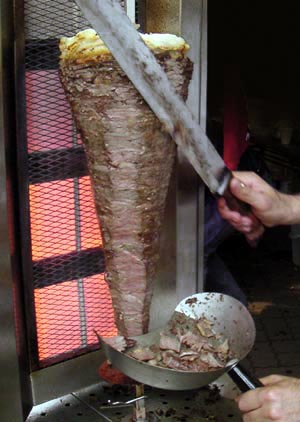
Few street foods capture the imagination and satisfy cravings quite like the doner kebab. Originating from Turkish culinary traditions, the sight of a massive, rotating vertical spit, laden with succulent, seasoned meat, is instantly recognizable globally. But what exactly is doner meat? Far from a monolithic entity, this beloved dish is a testament to culinary ingenuity, offering a surprisingly diverse range of ingredients and preparation methods that contribute to its irresistible flavor profile and remarkable versatility.
Often associated purely with lamb, the truth is that doner meat encompasses a spectrum of options, each bringing its own unique characteristics to the plate. From the deeply traditional to modern, healthier alternatives, understanding the components of doner meat reveals why it has become such a cherished staple, enjoyed in wraps, plates, and sandwiches across continents.
The Anatomy of Doner Meat: More Than Just Lamb
While the classic image of doner meat often conjures up thinly sliced lamb, the reality is wonderfully varied. The choice of meat significantly influences the final taste and texture, offering something for every palate.
Traditional Lamb: Richness and Nutrition
Historically, and in many authentic establishments, doner meat features layers of seasoned lamb. Lamb is prized for its rich, distinctive flavor and tender texture, especially when slow-cooked on the vertical spit. Its natural fat content is crucial, melting slowly during cooking to infuse the meat with moisture and a profound, savory depth. Beyond its delicious taste, lamb is a nutritional powerhouse, packed with high-quality protein essential for muscle repair and growth. It's also an excellent source of vital nutrients like Vitamin B12, which supports energy metabolism and nervous system health, and zinc, a key mineral for a robust immune system. This combination of flavor and nutritional benefit makes lamb a foundational choice for doner meat enthusiasts.
Beef and Combinations: Heartiness and Balance
As doner kebabs gained global popularity, variations emerged to cater to diverse tastes and availability. Beef is a widely used alternative, either on its own or, more commonly, combined with lamb. Beef doner meat tends to be firmer and offers a more robust, sometimes earthier flavor profile compared to lamb. When lamb and beef are layered together, they create a harmonious blend, leveraging the succulence and richness of lamb with the hearty depth of beef, resulting in a perfectly balanced texture and an even more complex flavor. This blend is often sought after to achieve a specific culinary balance that maximizes both juiciness and flavor intensity.
Poultry and Vegetarian Alternatives: Lighter Options and Modern Twists
For those seeking leaner options or adhering to different dietary preferences, doner meat has evolved to include poultry, particularly turkey. Turkey doner meat provides a healthier alternative, being lower in fat while still delivering a satisfying protein punch. While it offers a milder flavor compared to lamb or beef, it can be equally delicious when expertly seasoned. Beyond meat, the spirit of the doner has even inspired vegetarian versions. Creative chefs utilize ingredients like grilled portobello mushrooms or slices of eggplant, seasoned and prepared to mimic the savory, satisfying experience of traditional doner meat, providing an inclusive option for all.
Crafting the Flavor: Spices and the Art of the Vertical Spit
The magic of doner meat extends beyond just the type of protein; it's intricately linked to the seasoning and the distinctive cooking method. These elements combine to create its iconic taste and texture.
The Spice Blend: A Symphony of Aromas
The characteristic flavor of doner meat is born from a carefully selected blend of spices. While recipes vary, common seasonings include paprika for a warm, subtly smoky note, garlic for its pungent aroma and savory depth, and oregano, which adds an earthy, slightly peppery Mediterranean essence. These spices are typically mixed into the ground or finely sliced meat before it's pressed and layered. An often-overlooked but crucial ingredient, especially in homemade versions, is mint. Far from just a garnish, mint adds a bright, refreshing, and aromatic counterpoint that cuts through the richness of the meat. Beyond flavor, mint is known for its digestive properties, aiding in the assimilation of rich foods and soothing the stomach.
The Vertical Rotisserie: A Timeless Cooking Method
The true essence of doner meat’s flavor and texture is unlocked through its traditional cooking method: the vertical rotisserie, or "spit." Thinly sliced layers of seasoned meat are meticulously stacked in a cylindrical or conical shape. As the spit slowly rotates in front of a heat source, the outer layers of the meat cook to a beautiful crispy perfection, while the inner layers remain tender and juicy. The ingenious aspect of this method is how the melting fat drips down, continuously basting the lower layers of meat, infusing them with incredible flavor and preventing dryness. This slow, even cooking process ensures that every slice, shaved off the rotating cone, delivers that perfect combination of crispy edges and succulent interior. To delve deeper into the rich history and diverse preparations of this iconic dish, explore our article on Doner Meat Explained: Types, Spices, and Turkish Origins.
Versatility on a Plate: Serving Suggestions and Culinary Creativity
Part of doner meat's enduring appeal is its incredible versatility. It's not just a standalone dish; it's a foundational component for a myriad of delightful meals.
Classic Servings: Wraps, Pitas, and Plates
The most iconic way to enjoy doner meat is nestled within a warm pita bread or wrapped in a soft lavash, transforming it into a convenient and satisfying handheld meal. These are typically loaded with crisp, fresh salads—think shredded lettuce, tomatoes, cucumbers, and onions—adding a refreshing crunch and vibrant flavor. A generous drizzle of creamy sauces is essential, with tzatziki (a yogurt-cucumber-garlic sauce) and garlic yogurt being perennial favorites. For a heartier meal, doner meat is often served as a "doner plate," accompanied by a bed of rice or fries, a Greek salad, and ample sauce, offering a substantial and balanced dining experience.
Beyond the Kebab: Innovative Culinary Uses
The culinary journey of doner meat doesn't stop at the traditional kebab. Its savory, spiced profile makes it an excellent candidate for creative culinary applications. Imagine doner meat incorporated into loaded fries, layered into a gourmet burger, or even used as a topping for pizzas. Its rich flavor can elevate simple dishes into something extraordinary. The beauty of its shaved form allows it to integrate seamlessly into various meals, adding a burst of flavor and protein.
Homemade Doner: Bringing the Street Food Experience Indoors
While the vertical spit remains the gold standard for authentic doner, replicating its magic at home is surprisingly achievable and immensely rewarding. Crafting your own doner meat allows for complete control over ingredients, seasoning, and fat content, ensuring a fresh and flavorful result tailored to your preferences.
Typically, homemade doner involves using ground lamb, beef, or a combination, mixed with the characteristic spices. This mixture is then tightly formed into a loaf or log, often baked or broiled to achieve that tender interior and deliciously crispy exterior. The key is to slice it very thinly after cooking, mimicking the shavings from the traditional spit. Served with warm pita bread, a crisp Greek salad, and a dollop of homemade tzatziki, it brings the vibrant flavors of a street vendor right into your kitchen.
Making doner meat at home is not just about convenience; it's an opportunity to experiment with different spice blends, explore various meat combinations, and discover your perfect doner. For an authentic experience you can replicate in your own kitchen, check out our Bring the Kebab Home: Easy Homemade Doner Meat Recipe.
Conclusion
Doner meat is much more than just a quick bite; it's a cultural phenomenon, a culinary art form, and a testament to the versatility of simple ingredients combined with ingenious cooking methods. From the traditional richness of lamb and beef to leaner turkey options and even vegetarian innovations, its appeal is universal. The careful blend of spices, including the refreshing hint of mint, and the unique cooking on a vertical spit (or its home-kitchen adaptations) create an unforgettable experience. Whether you're savoring it from a bustling street vendor or crafting your own batch at home, doner meat continues to captivate palates worldwide, proving that some of the most delicious dishes are often the most humble in origin yet grand in flavor.
