Doner Meat Explained: Types, Spices, and Turkish Origins
Few street foods capture the global palate quite like the doner kebab. Its tantalizing aroma, a symphony of spiced meat cooking slowly on a vertical rotisserie, is an irresistible invitation. At its heart lies doner meat, a culinary marvel with deep Turkish roots that has evolved into a beloved staple worldwide. More than just a late-night treat, doner meat offers a fascinating journey through culinary history, diverse flavor profiles, and clever cooking techniques. This article delves into the origins, explores the various types of meat used, unveils the secret spice blends, and provides insights into recreating this iconic flavor experience.
The Authentic Origins of Doner Meat: A Turkish Culinary Icon
The story of doner meat begins in the Ottoman Empire, specifically in Bursa, Turkey, in the mid-19th century. The term "döner" itself means "to turn" or "rotating" in Turkish, a direct reference to its distinctive cooking method. Unlike traditional kebabs cooked horizontally over coals, the innovation of the vertical spit allowed the meat to cook evenly and self-baste as the fat rendered down, keeping the outer layers crispy and the interior wonderfully juicy.
This ingenious technique involves carefully stacking thinly sliced layers of seasoned meat onto a tall, upright spit. As the spit rotates slowly beside a vertical heating element – traditionally charcoal, now often electric or gas – the exterior cooks to a perfect golden-brown crispness. The chef then shaves off thin, succulent ribbons of this outer layer, ready to be served. This constant shaving and cooking process ensures that each serving of doner meat is fresh, hot, and bursting with flavor. The traditional method is not just about cooking; it's a performance, a testament to centuries of culinary artistry that makes the doner a true icon of Turkish cuisine.
Beyond Lamb: Exploring the Diverse Types of Doner Meat
When most people think of doner meat, they often picture succulent lamb. While lamb is indeed a quintessential and historically significant choice, the world of doner meat is far more diverse than many realize. The beauty of doner lies in its adaptability, allowing for various meat types, each contributing a unique texture and flavor profile.
- Lamb: The Traditional Heart of Doner
Traditionally, doner meat was predominantly made from lamb. Its natural fat content is key, as it melts slowly down the spit, infusing the meat with a rich, gamey flavor and keeping it incredibly moist. Lamb is also a powerhouse of nutrition, rich in high-quality protein, essential vitamins like B12, and minerals such as zinc, which supports energy metabolism and a healthy immune system. Its inherent succulence makes it a perfect canvas for robust spices. - Beef: Hearty and Flavorful
Beef doner meat offers a different, equally delicious experience. Often made from lean cuts combined with some fat, beef doner tends to be more robust in flavor and slightly firmer in texture than its lamb counterpart. It appeals to those who prefer a less gamey taste while still enjoying the rich, savory depth that perfectly seasoned and slow-cooked meat provides. Combinations of beef and lamb are also very common, aiming to strike a perfect balance between the richness of lamb and the hearty notes of beef. - Turkey: The Leaner Alternative
For a lighter, healthier option, turkey doner meat has gained popularity. Lower in fat, turkey offers a milder flavor profile that allows the spices to shine through distinctively. It's a fantastic choice for those seeking a less caloric meal without sacrificing the unique essence of a doner kebab. While not traditional, it showcases the versatility and evolving nature of this beloved dish. - Mixed Meats and Vegetarian Options: Modern Adaptations
Many establishments now offer a blend of meats, typically beef and lamb, to achieve a harmonious balance of flavor and texture. This can provide the best of both worlds – the juiciness of lamb with the familiar taste of beef. Beyond traditional meats, the innovation doesn't stop. Some modern variations even include chicken doner, and for those avoiding meat altogether, creative vegetarian alternatives like grilled portobello mushrooms or seasoned eggplant are increasingly available, cooked and served in the same style.
The Secret Blend: Spices and Seasonings that Define Doner Flavor
While the quality and type of meat are fundamental, it's the masterful blend of spices that truly elevates doner meat from a simple grilled dish to a complex, aromatic delight. The seasoning is not just an afterthought; it's an integral part of the doner's identity, transforming humble cuts into an explosion of flavor.
Core Spices and Their Contributions:
- Paprika: Provides a warm, slightly sweet, and vibrant earthy note, contributing to the meat's appealing reddish hue. Both sweet and smoked paprika can be used, with smoked varieties adding an extra layer of depth.
- Garlic: Essential for its pungent, aromatic foundation. Freshly minced garlic or garlic powder deeply infuses the meat, providing a critical savory backbone.
- Oregano: Lends a classic Mediterranean, slightly peppery, and earthy aroma. It pairs exceptionally well with lamb and beef, giving the doner its characteristic herbaceous quality.
- Cumin: A cornerstone of many Middle Eastern and Turkish dishes, cumin adds a distinctive warm, earthy, and slightly pungent flavor that is instantly recognizable and deeply satisfying.
- Black Pepper: Provides a subtle heat and sharp, piquant flavor, enhancing the overall spice profile without overpowering it.
- Red Pepper Flakes (Pul Biber): Often added for an authentic Turkish touch, providing a gentle, fruity heat that can be adjusted to personal preference.
- Salt: Crucial for seasoning and drawing out the natural flavors of the meat.
- Mint: While not always present in every blend, mint, as highlighted by some recipes, can be a revelation. Its refreshing, bright, and slightly peppery notes offer a beautiful counterbalance to the rich, spiced meat. Beyond its flavor, mint is also known for its digestive benefits and antioxidant properties.
The magic happens as these spices permeate the meat during the stacking and marination process. As the doner meat cooks on the vertical spit, the rendering fat, infused with these spices, constantly bastes the lower layers, ensuring every slice is packed with profound, aromatic flavor. For home cooks looking to replicate this at home, ensuring generous marination time (at least a few hours, ideally overnight) allows the spices to truly penetrate the meat, yielding a more authentic taste. Using high-quality, freshly ground spices can also make a significant difference in the final flavor.
From Spit to Plate: Serving Your Doner Meat
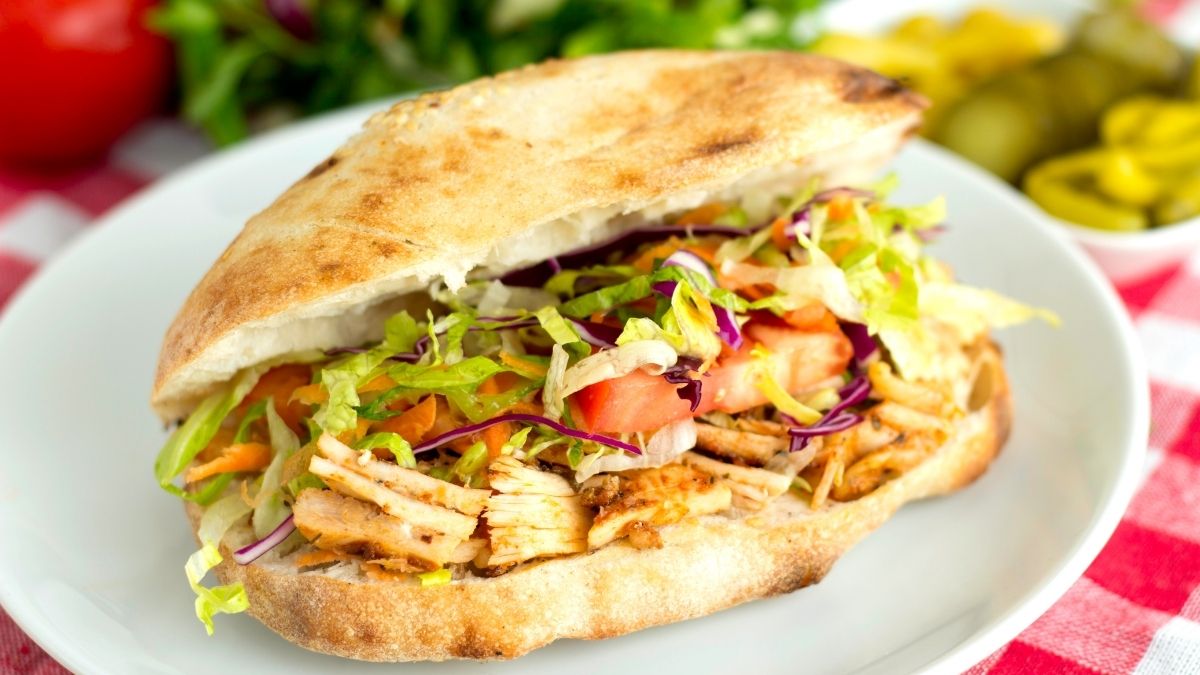
The journey of doner meat doesn't end on the spit; it truly comes alive when served. Traditionally, doner meat is shaved directly from the rotating column and nestled into a warm, fluffy pita bread or lavash, creating the iconic doner kebab sandwich or wrap. But its versatility extends far beyond, making it suitable for various meals and preferences.
Classic Accompaniments and Modern Adaptations:
- Pita or Lavash: The quintessential carrier, these soft breads absorb the juices and flavors of the meat and sauces, making for a satisfying handheld meal.
- Fresh Salad and Vegetables: A vibrant mix of crisp lettuce, juicy tomatoes, thinly sliced onions, and sometimes cucumbers or red cabbage, adds a crucial element of freshness and crunch, cutting through the richness of the meat.
- Sauces: No doner is complete without its signature sauces. Tzatziki (a refreshing yogurt-cucumber-garlic sauce) or a creamy garlic yogurt sauce are popular choices, providing a cooling, tangy counterpoint to the spiced meat. A spicier chili sauce is also often offered for those who enjoy an extra kick.
- Plates and Bowls: For a more substantial meal, doner meat is often served as a "doner plate," accompanied by rice, salad, and fries, or as a deconstructed "doner bowl" with similar components. This allows the flavors to be savored individually or combined as desired.
One of the greatest appeals of doner meat, especially when made at home, is the ability to control ingredients and adapt it to personal tastes and dietary needs. If you're inspired to bring the flavors of the Mediterranean into your kitchen, consider making your own. Bring the Kebab Home: Easy Homemade Doner Meat Recipe offers a fantastic starting point. You can opt for leaner meat choices, load up on fresh vegetables, and moderate your sauce intake for a healthier meal. Whether enjoyed as a quick snack, a satisfying lunch, or a hearty dinner, a well-prepared doner is a deliciously convenient option sure to satisfy any craving.
From its humble origins on the streets of Turkey to its current status as a global culinary phenomenon, doner meat continues to captivate food lovers everywhere. Its rich history, diverse meat options, and intricate spice blends make it a truly unique and adaptable dish. Understanding these elements enhances the appreciation for every succulent bite, whether enjoyed from a street vendor or recreated with passion in your own kitchen.
